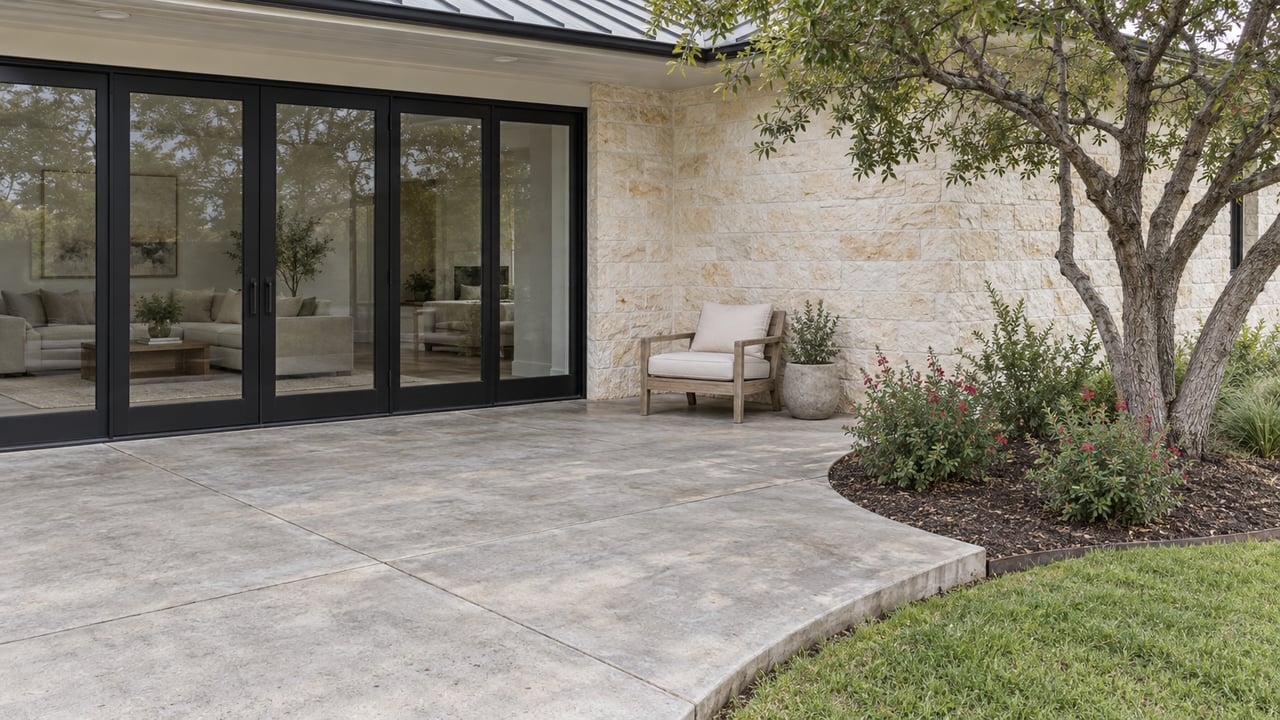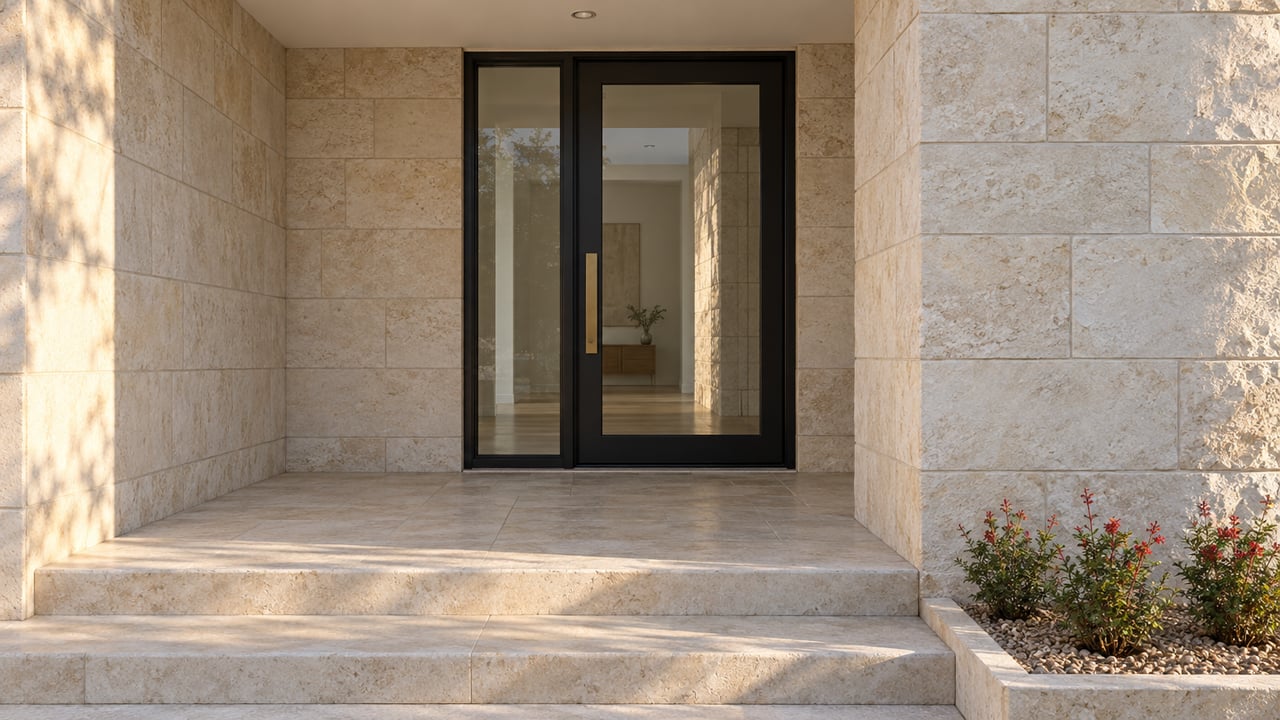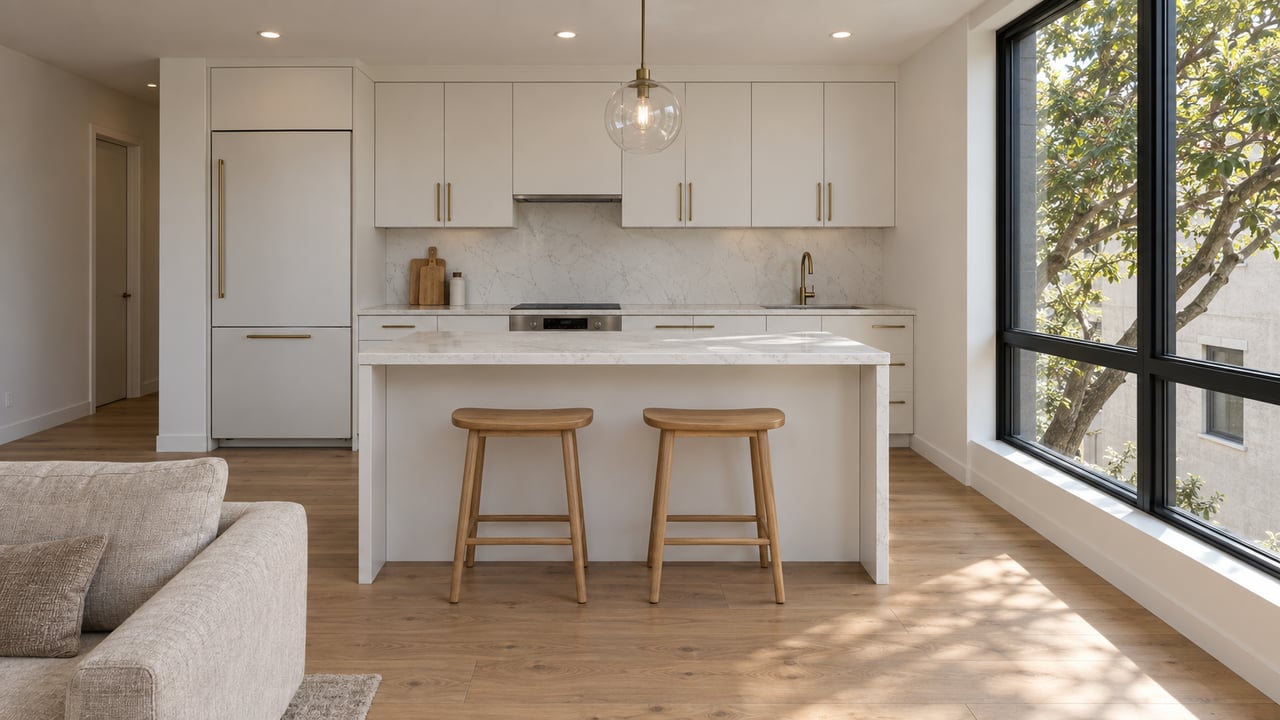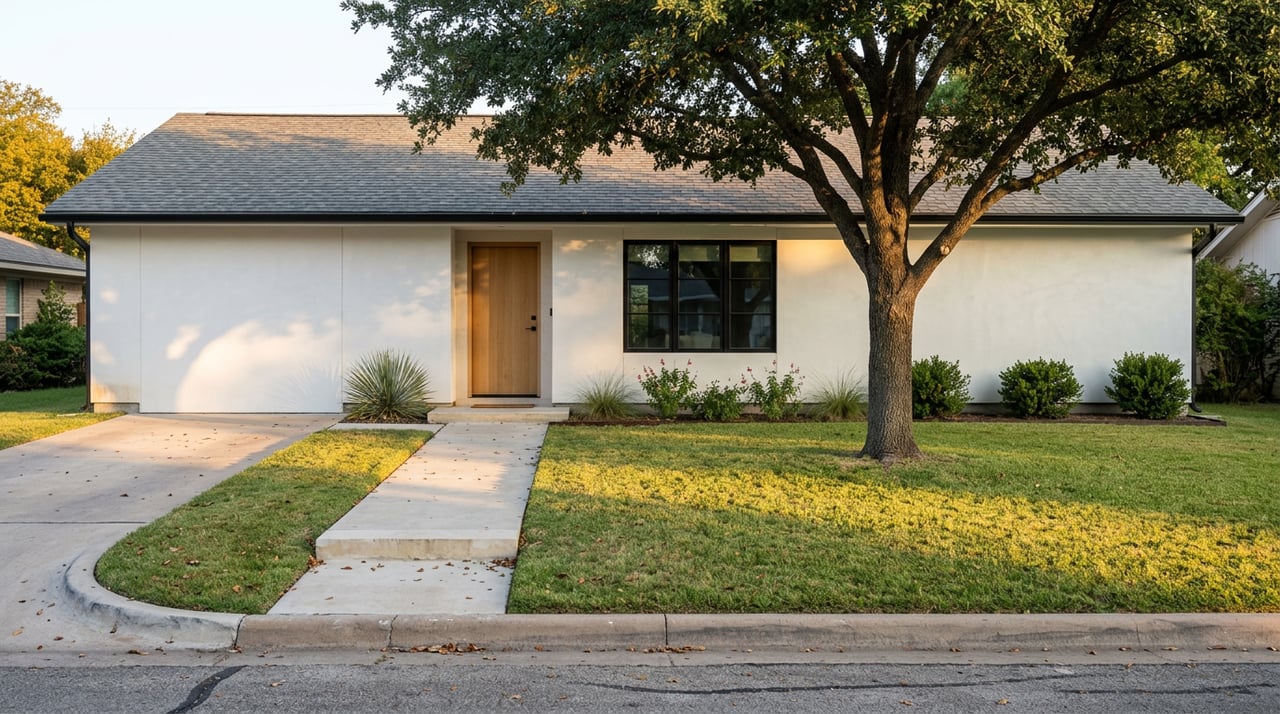
Picture two three-bedroom homes in Cedar Park, both listed at $475,000, both built within a few years of each other, both with granite counters and a two-car garage. One sits in Anderson Mill West. The other sits inside the Ranch at Cypress Creek Municipal Utility District. On paper, on the listing sheet, on the photos your agent sends you, they look like the same decision. At closing, they are not. The second house carries an extra taxing entity that the first one doesn't, and depending on the district's current rate, that difference can run into hundreds of dollars a year, sometimes hundreds a month once you add it up alongside county, school, and city taxes.
This is not a hidden fee in the sense of something illegal or sneaky. Texas Real Estate Research Center explains that Texas actually requires it to be disclosed, in writing, with a signature, before you're contractually bound to buy. The problem is that most buyers sign that disclosure the same way they sign eleven other pages in a closing packet: quickly, and after they've already fallen for the house.
The Line You Can't See From the Street
Cedar Park sits inside several overlapping utility districts that most buyers have never heard of until they see one named on a tax bill. Ranch at Cypress Creek Municipal Utility District No. 1 covers roughly 347 acres in southwestern Williamson and northwestern Travis counties, most of it built out with single-family homes, and it contracts with the City of Cedar Park to manage its water and wastewater system. Block House MUD serves about 2,188 properties, with water infrastructure operated under contract by Crossroads Utility Services, fire protection contracted through the City of Cedar Park, and law enforcement handled by the Williamson County Sheriff's Office. Brushy Creek MUD is larger and older still, tracing back to 1977 as Williamson County Municipal Utility District No. 2, expanded by annexation in 1983 to roughly 2,210 acres, and it does far more than water and sewer: it runs its own recreation center, four pools, a disc golf course, and a 60,000-square-foot community center.
Not every Cedar Park neighborhood carries one of these. Anderson Mill West, one of the city's oldest pockets with 1990s-era homes on smaller lots trading in the $350,000 to $450,000 range, is largely outside MUD boundaries. Buttercup Creek, a tier up at $400,000 to $600,000 with larger lots and mature trees, and Ranch at Brushy Creek, often described as the area's established family favorite, sit closer to district lines where the math changes. As a rough local rule, homes inside a MUD run about 0.25 to 0.50 percentage points higher in effective tax rate than the roughly 1.95 percent baseline typical of Williamson County, based on recent local market analysis. On a $475,000 home, half a point is close to $2,000 a year that a same-priced, MUD-free house down the road simply doesn't carry.
| District | What it covers | Notable detail |
|---|---|---|
| Ranch at Cypress Creek MUD No. 1 | Water, wastewater, drainage for ~347 acres | Combined debt service and maintenance rate of $0.3535 per $100 valuation, as listed on the district's own site |
| Block House MUD | Water infrastructure, contracted fire and law enforcement | Serves roughly 2,188 properties |
| Brushy Creek MUD | Utilities plus parks and recreation | Own rec center, four pools, disc golf course, 60,000-sq-ft community center |
| Anderson Mill West | Largely outside MUD boundaries | 1990s-era resale stock, smaller lots, entry-level pricing |
Rates shift as bonds get paid down and as districts adjust budgets, so treat any specific number here as a starting point for your own verification with the district or the county tax office, not a locked-in figure for your closing statement.
The Paperwork That's Supposed to Catch This
Texas doesn't leave MUD disclosure to chance. Under Chapter 49 of the Texas Water Code, if a property sits inside a municipal utility district, the seller has to give the buyer a written notice describing the district and its taxes, and the buyer has to sign it before entering into a binding contract, not just before closing. The statute spells out real consequences when that notice shows up late or not at all.
A newer, closely related requirement covers Public Improvement Districts. House Bill 1543 took effect September 1, 2021, and it requires a separate signed notice, using TREC form 53-0, whenever a property sits inside a PID. The rule exists because a wave of buyers in North Texas ended up in PID-assessed homes without ever being told, and the legislature responded by giving the notice teeth.
What Williamson County Itself Can't Always Tell You
Here's the part that surprises people who assume a quick county records search will settle the question. Williamson County's own government site notes that its Tax Assessor-Collector's office doesn't keep payoff information for most PIDs in the county. If a district is new, or if its service plan hasn't been updated recently, the notice a seller hands you may be the most complete document that exists anywhere on the subject.
That gap is part of why these districts exist as their own small governments in the first place. As one Brushy Creek MUD engineer put it to Austin's public radio station KUT, a district like this functions as "its own little city, minus the police and fire service." It elects its own board, sets its own budget, and answers to its residents more directly than a city council does to an entire municipality. That structure is exactly why the notice you sign matters more than a general sense of what Cedar Park property taxes look like on average. Citywide, the average Cedar Park home sold for $594,653 in May 2026, at roughly $230 per square foot. That average has no idea which district any given house sits in, and neither will you unless you read past the sales price.
What Those Higher Taxes Pay For
None of this means a MUD is a bad deal. It means it's a specific deal, and the terms are worth knowing before you sign, not after. Brushy Creek MUD's tax dollars fund a recreation system most cities that size don't offer at all: a community center, multiple pools, and organized parks and trails maintained by the district itself. Block House MUD's residents get contracted fire protection through the city and law enforcement through the county sheriff's office, services layered on top of what a non-MUD Cedar Park address would otherwise handle through standard city taxation. Older, more built-out districts like Brushy Creek, now approaching five decades old, have had far more time to pay down original infrastructure bonds than a district still filling in its last few streets, which is part of why age and maturity are worth asking about alongside the current rate.
The honest way to frame it: you're not choosing between a house with a hidden cost and a house without one. You're choosing between two different bundles of services and taxation, and the only way to compare them accurately is to see the actual notice, for the actual district, before you write an offer.
Before You Write the Offer
A few questions worth asking your agent or the listing agent before you get attached to a specific address:
- Is this property inside a MUD, a PID, both, or neither, and can I see the current notice now rather than at closing?
- What is the district's current combined tax rate, and has it changed in the last year?
- Is the district still paying down original infrastructure bonds, or has it matured to the point where rates have started to decline?
- What services does the district actually provide beyond water and sewer, and do they include anything you'd use, like parks, a rec center, or trails?
- If there's an HOA on top of the district, what are current dues, and does the resale certificate show any pending special assessments?
None of these are complicated questions. They just have to be asked before the contract is signed, because that's when the law says the notice is supposed to arrive, and that's the only point at which it actually protects you.
A Couple of Things People Ask
Do MUD taxes ever go away? Sometimes, as the district's bonds are paid off, typically over 20 to 30 years, and as more homes join the tax base and spread the cost. It's a trend, not a promise, so ask about the specific district's bond schedule rather than assuming a declining rate is guaranteed.
If you're comparing Cedar Park neighborhoods and want the actual district notice pulled and explained before you write an offer, not after, that's exactly the kind of paperwork Denise Arndt walks clients through as a regular part of the process. Reach out for a personalized consultation and get the real numbers before you fall in love with the finishes.
This article is general information, not legal, tax or financial advice. Consult a qualified professional about your situation.