Ever wish you could pack a bag, lock the door, and leave town without worrying about the yard, exterior upkeep, or a long weekend’s worth of home chores? If that sounds familiar, you are not alone. Many Georgetown buyers are looking for a home that feels easy to own, easy to maintain, and flexible for travel, downsizing, or a simpler daily routine. This guide will walk you through what lock-and-leave living usually means in Georgetown, the main home types to consider, and the questions you should ask before you buy. Let’s dive in.
What lock-and-leave means in Georgetown
In Georgetown, “lock-and-leave” usually refers to a home that lets you be away for stretches of time with less concern about upkeep, safety, and day-to-day maintenance. In practice, that often means a smaller single-family home, garden home, townhome, or condo where the HOA or COA handles at least some exterior or common-area care.
That said, lock-and-leave does not always mean maintenance-free. One community may include lawn care for private yards, while another may only cover shared landscaping and amenities. The details can vary quite a bit, so it helps to think of lock-and-leave as a lifestyle goal rather than a single property type.
Why buyers like low-maintenance homes
For many buyers, the appeal is simple. You get more freedom and less routine upkeep. That can be especially attractive if you travel often, want to downsize, or just prefer to spend your weekends enjoying Georgetown instead of managing a larger yard.
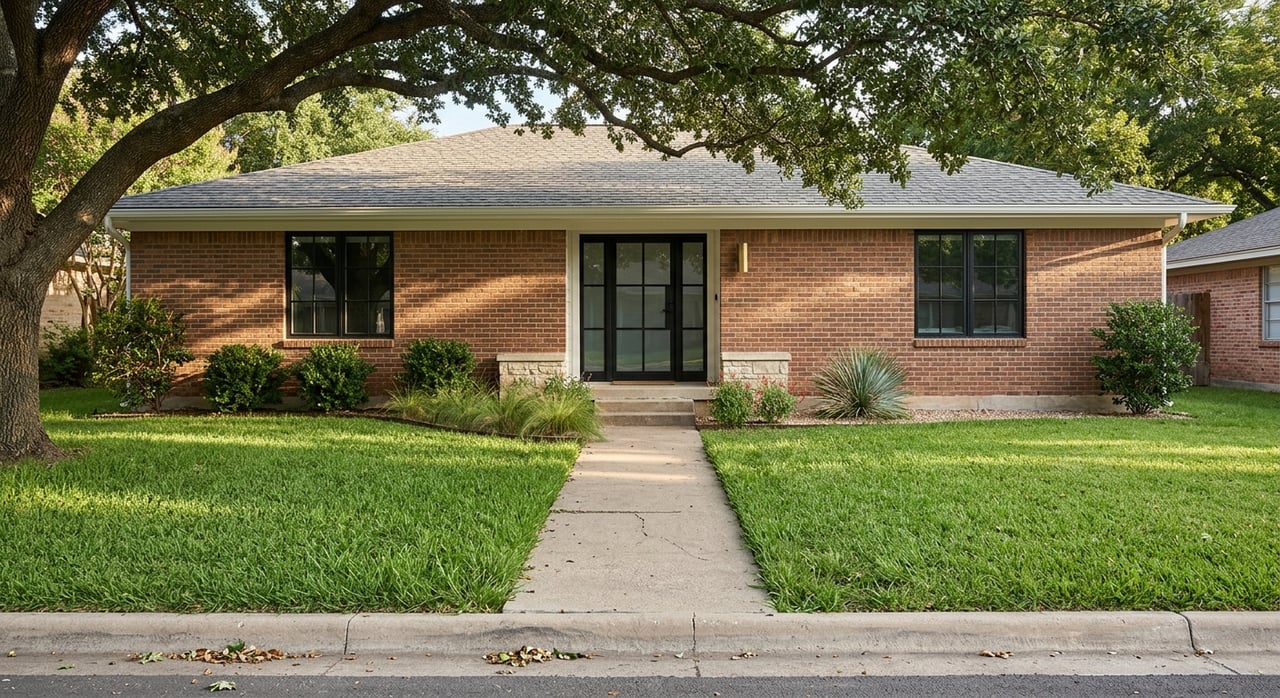
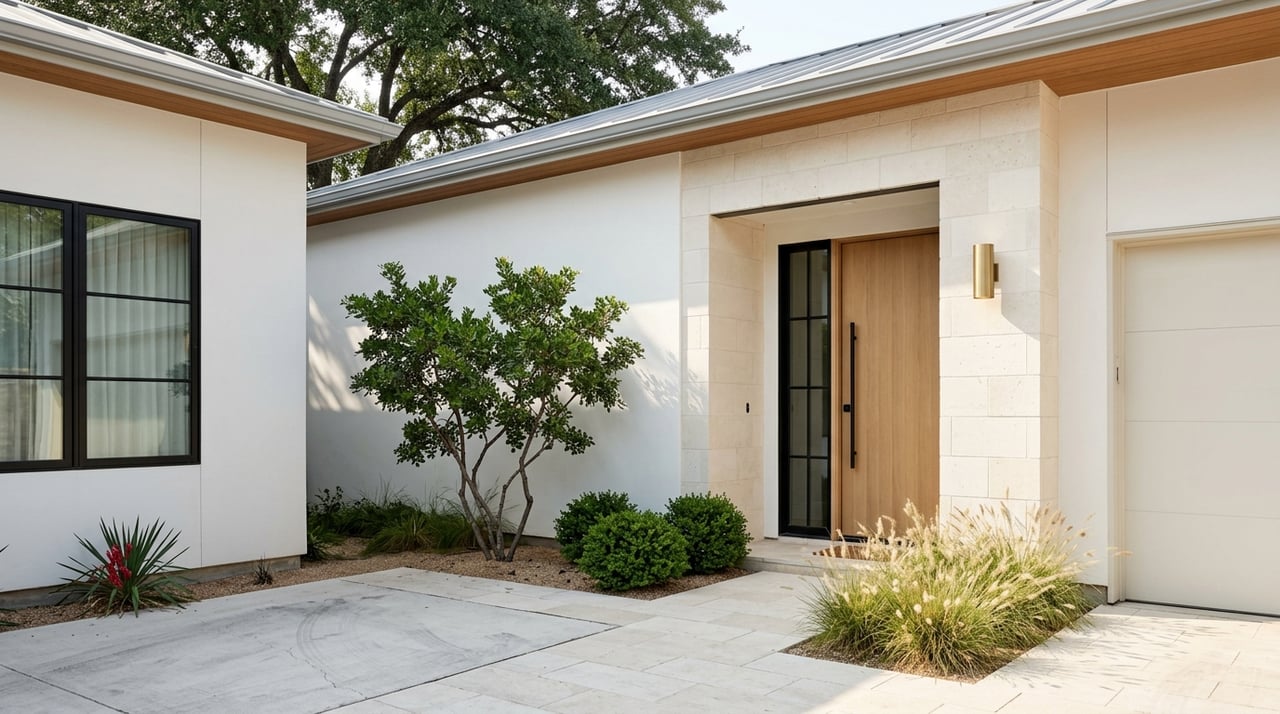
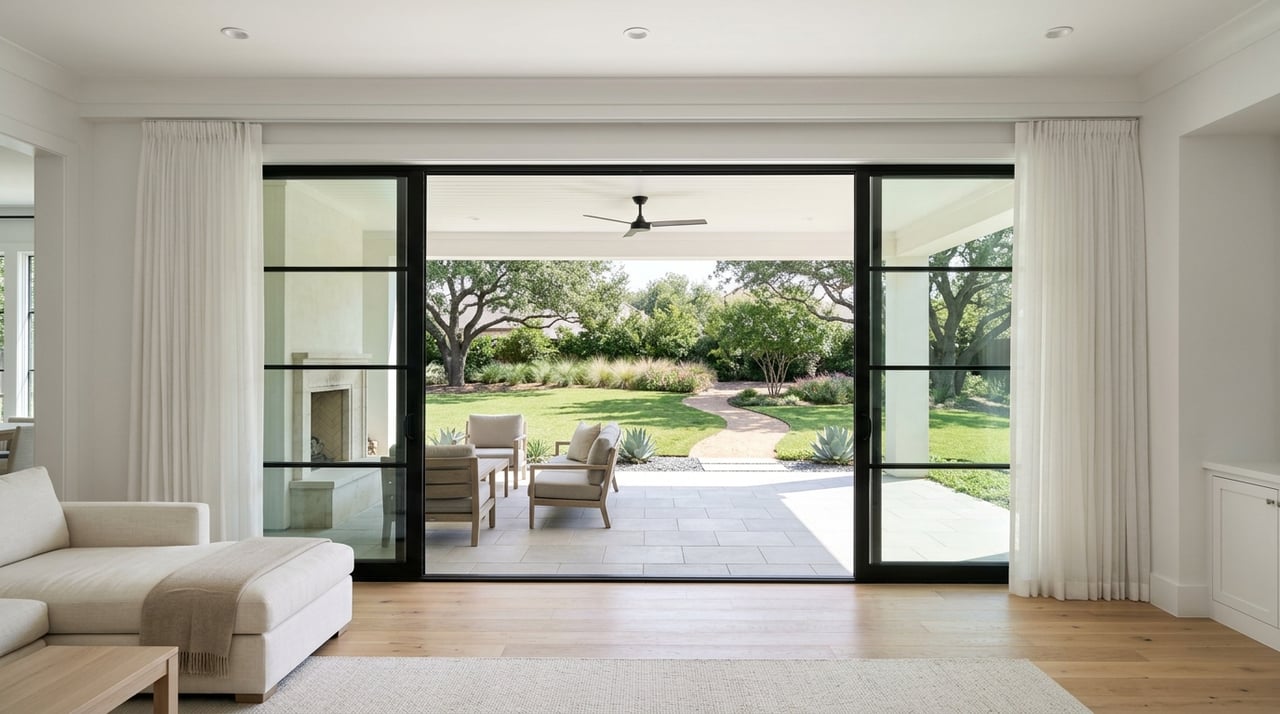
A low-maintenance home can also make day-to-day living feel more manageable. Compact lots, attached garages, open layouts, and covered patios are common features in Georgetown’s low-maintenance inventory. Some floor plans even include options like a guest house or private-entry space, depending on the community.
Three main lock-and-leave paths
Georgetown offers a few clear paths if you want easier homeownership. The right fit depends on your lifestyle, age preferences, and how much exterior work you want the association to handle.
Active-adult detached homes
Sun City Texas is the best-known active-adult example in Georgetown. It is a 55+ community with detached single-family homes, plus amenities such as golf courses, trails, pools, and fitness centers. Its ownership structure also includes association obligations tied to common-area maintenance.
This option often appeals to buyers who want less yard work but still prefer a detached home instead of a condo or townhome. It can offer a nice middle ground between independence and convenience.
All-ages garden-home communities
If you want a lock-and-leave feel without age restrictions, Georgetown has all-ages options to explore. Parmer Ranch Cottages is a strong example, with a gated section, a year-round lawn maintenance program, and a low-maintenance setup designed to support travel flexibility.
Wolf Ranch’s garden homes in South Fork are another good fit. The HOA contracts and manages lawn care for those homes, and the community is located near the San Gabriel River trails and Wolf Ranch Town Center. For buyers who want a newer home and a neighborhood with amenities, this can be a very practical option.
Condos and townhomes
Condos and townhomes are often the most obvious lock-and-leave choices because associations typically handle more exterior or shared-space responsibilities. Georgetown examples include Vista Townhomes and downtown-area communities like Lofts on Rock, Main Street Townhomes, and Village Park Condos.
These homes can be a smart match if you want a lower-maintenance footprint and a more simplified exterior care plan. Still, the exact split of responsibilities matters, especially when you compare condos to townhomes with a standard HOA.
Where to look in Georgetown
Lock-and-leave homes are spread across Georgetown rather than limited to one pocket of town. Still, a few areas stand out.
Downtown and Old Town area
The downtown and near-downtown area has one of the clearest clusters for condos and townhomes. Windridge Village is positioned between Southwestern University and San Gabriel Park and is within walking distance of historic downtown Georgetown. The city’s HOA map also lists communities such as Lofts on Rock, Main Street Townhomes, and Village Park Condos.
If you want to be closer to downtown shops, restaurants, and local events, this area is worth a look. It tends to offer the most urban version of lock-and-leave living in Georgetown.
Wolf Ranch and San Gabriel corridor
Another strong cluster sits around Wolf Ranch, I-35, and the San Gabriel River corridor. Wolf Ranch includes sections such as South Fork and West Bend, along with a lifestyle program and proximity to the town center. The garden-home product there adds HOA-managed lawn care, which supports the low-maintenance appeal.
This area can work well if you want a newer community setting with access to trails, amenities, and convenient shopping nearby. It offers a blend of ease and activity.
West and northwest Georgetown
Sun City remains a major low-maintenance option on the west and northwest side of Georgetown. Parmer Ranch Cottages also adds a newer choice in the broader Parmer Ranch area, with gated access and lawn maintenance included.
For buyers who want detached homes with less exterior work, this side of Georgetown offers some of the strongest choices. It is especially useful to compare how each community handles yard care and common-area maintenance.
Hwy 29 and San Gabriel area
Water Oak at San Gabriel is another example of a newer, amenity-driven community with lower-maintenance appeal. It is located between Hwy. 29 and the South Fork of the San Gabriel River, with an HOA-maintained pool and amenity center, plus access to hike-and-bike trails and historic downtown.
If you want neighborhood amenities without taking on a high-maintenance property, this corridor may be a good place to start your search. It combines convenience, recreation, and a more streamlined ownership experience.
What to verify before you buy
This is where lock-and-leave shopping gets practical. Two homes may sound similar online, but the actual ownership responsibilities can be very different.
Start by confirming exactly what the dues cover. In Georgetown communities, dues may pay for anything from common-area mowing and pool maintenance to private-yard lawn service. You will want to know whether the association handles front-yard mowing only, full-yard care, shared landscaping, irrigation-related rules, or none of the above.
Texas law also matters here. Under Texas Property Code Chapter 202, property owners associations can regulate items such as yard and landscape maintenance, irrigation systems, and the use of gravel, rocks, and cacti. At the same time, the law limits unreasonable denials for drought-resistant landscaping and water-conserving natural turf.
That is important in Georgetown because the city’s development manual also takes a water-wise approach. It requires at least 50% of required plantings to have low or very low watering needs, and required landscape maintenance must comply with city standards. In other words, low-maintenance landscaping can still come with clear rules.
Condos vs. townhomes: know the difference
If you are comparing attached homes, the legal maintenance split is one of the biggest details to understand. For condos, Texas Property Code Section 82.107 says the association is responsible for maintenance, repair, and replacement of the common elements, while the unit owner is responsible for the unit itself.
The law also places certain utility equipment, windows, and doors that serve only the unit on the owner unless the declaration says otherwise. That is why condos often feel more lock-and-leave than attached homes with a standard HOA. The association may cover more of the exterior framework, but you still need to read the governing documents carefully.
Questions to ask when touring
When you visit a low-maintenance home in Georgetown, it helps to ask very direct questions. Clear answers now can save you surprises later.
Here are a few smart questions to use:
- What does the HOA or COA fee cover each month?
- Does the association handle front-yard maintenance, full-yard maintenance, or only common areas?
- Which exterior items are still the owner’s responsibility?
- Are roofs, fences, windows, or doors covered anywhere in the documents?
- Is the community age-restricted or all-ages?
- Are there property use or landscaping rules I should know about?
- Is there a management certificate and current governing documents available for review?
Texas requires management certificates for many POAs and COAs to be filed with the county and, in most cases, with the state database. The certificate should identify the subdivision, association name, management contact information, recording data, website for dedicatory instruments, and any transfer-fee information. For you as a buyer, the takeaway is simple: verify the association details before you commit.
How to choose the right fit
The best lock-and-leave home depends on how you want to live, not just how little mowing you want to do. If you want a detached home and community amenities, an active-adult or garden-home community may fit best. If you want the simplest exterior-care setup, a condo may be worth a closer look.
It also helps to think about location and routine. Do you want to be near downtown, close to trails, in a newer master-planned community, or in an age-restricted setting designed for a specific lifestyle? Once you narrow that down, the search becomes much easier.
A good local agent can help you compare not just floor plans and prices, but also the real-world maintenance structure behind each option. That matters because the right home is not only about what you buy. It is also about what you no longer have to manage.
If you are thinking about low-maintenance living in Georgetown, the key is finding a home that matches your lifestyle and your comfort level with upkeep. Whether you are downsizing, relocating, or simply want an easier way to own, Denise can help you sort through the options and focus on the communities that truly fit. Reach out to Denise Arndt for a personalized consultation.
FAQs
What does lock-and-leave living mean in Georgetown, Texas?
- In Georgetown, lock-and-leave usually means a home where the HOA or COA handles at least some exterior or common-area maintenance, making it easier to leave home for travel or extended time away.
What types of low-maintenance homes are common in Georgetown?
- Common Georgetown options include detached homes in active-adult communities, all-ages garden homes with lawn care through the HOA, and condos or townhomes where the association handles more shared upkeep.
Which Georgetown areas have the most lock-and-leave homes?
- Notable areas include downtown and Old Town, the Wolf Ranch and San Gabriel River corridor, west and northwest Georgetown near Sun City and Parmer Ranch, and the Hwy. 29 and San Gabriel corridor.
What should buyers ask about Georgetown HOA fees?
- You should ask exactly what the dues cover, including whether they include common-area care, front-yard mowing, full-yard maintenance, amenity upkeep, and any exterior repair responsibilities.
Are condos more lock-and-leave than townhomes in Georgetown?
- Often, yes. Under Texas condo law, associations generally maintain common elements, while owners maintain the unit itself, but the exact responsibilities still depend on the community’s declaration and governing documents.
How can you verify a Georgetown HOA or COA before buying?
- You can review the management certificate and governing documents to confirm the association name, management contacts, recording details, transfer-fee information, and the real scope of maintenance responsibilities.