Are you trying to decide between a brand-new home and a home in a more established part of Round Rock? It is a common question, especially in a fast-growing city where new development and long-standing neighborhoods both offer real advantages. If you are weighing lifestyle, maintenance, amenities, and resale potential, this guide will help you compare your options with local context in mind. Let’s dive in.
Round Rock Gives You Two Strong Paths
Round Rock continues to grow quickly, with the city estimating 142,697 residents as of June 2026. In the broader Austin-Round Rock-San Marcos market, Unlock MLS reported 2,953 residential sales in May 2026 at a median price of $440,000, with pending sales up 14.3% year over year. In a market like this, the type of neighborhood you choose can shape your day-to-day experience and your long-term resale outlook.
For many buyers, the real question is not whether one option is better than the other. It is which option fits your timeline, comfort level, and priorities. In Round Rock, new construction and established neighborhoods often appeal to different kinds of buyers for very practical reasons.
Why Buyers Choose New Construction
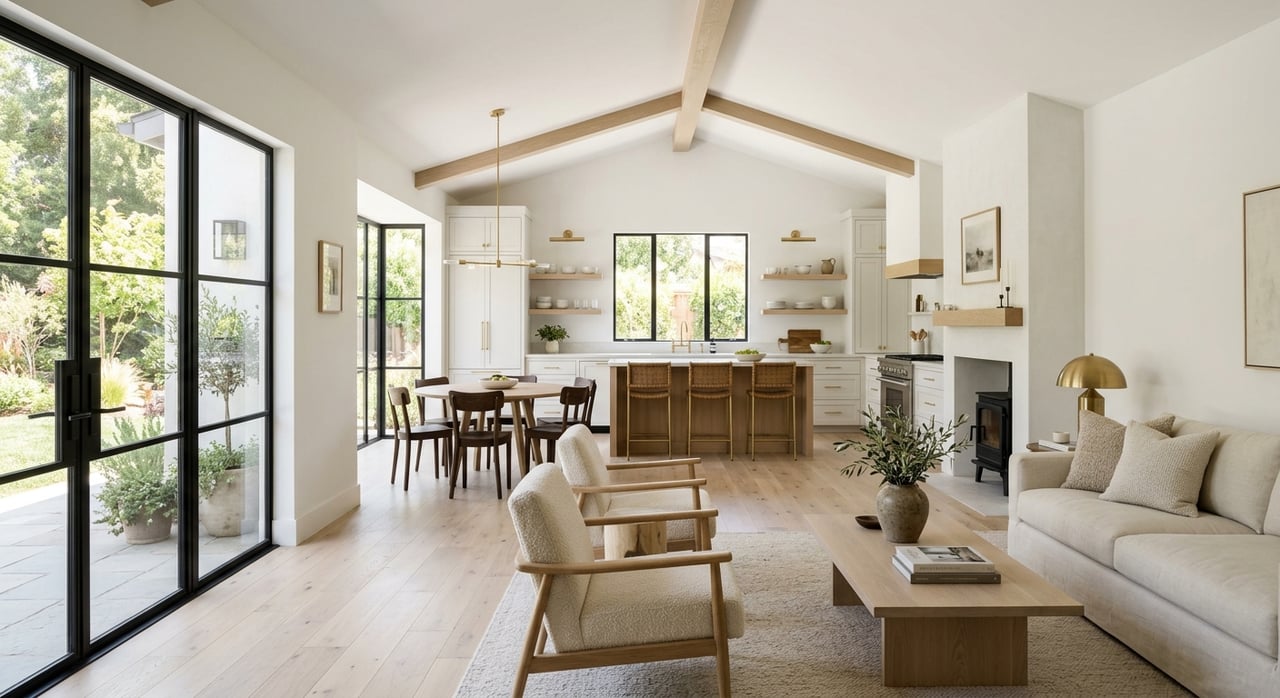
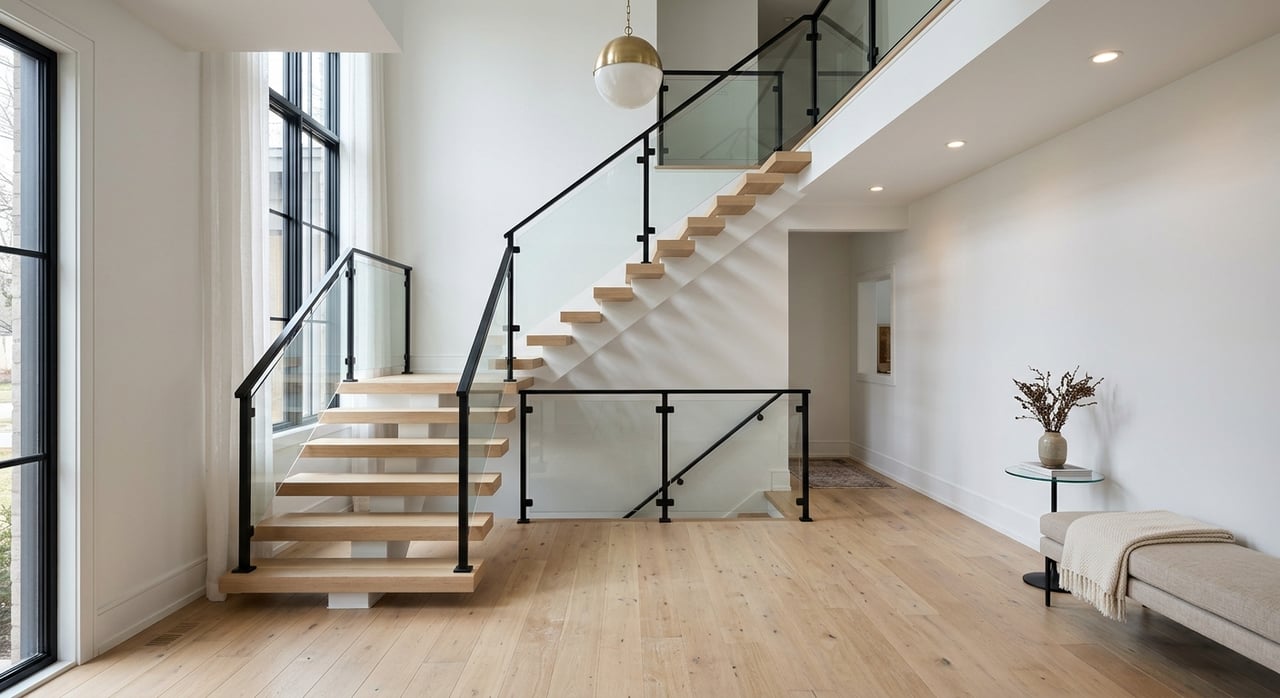
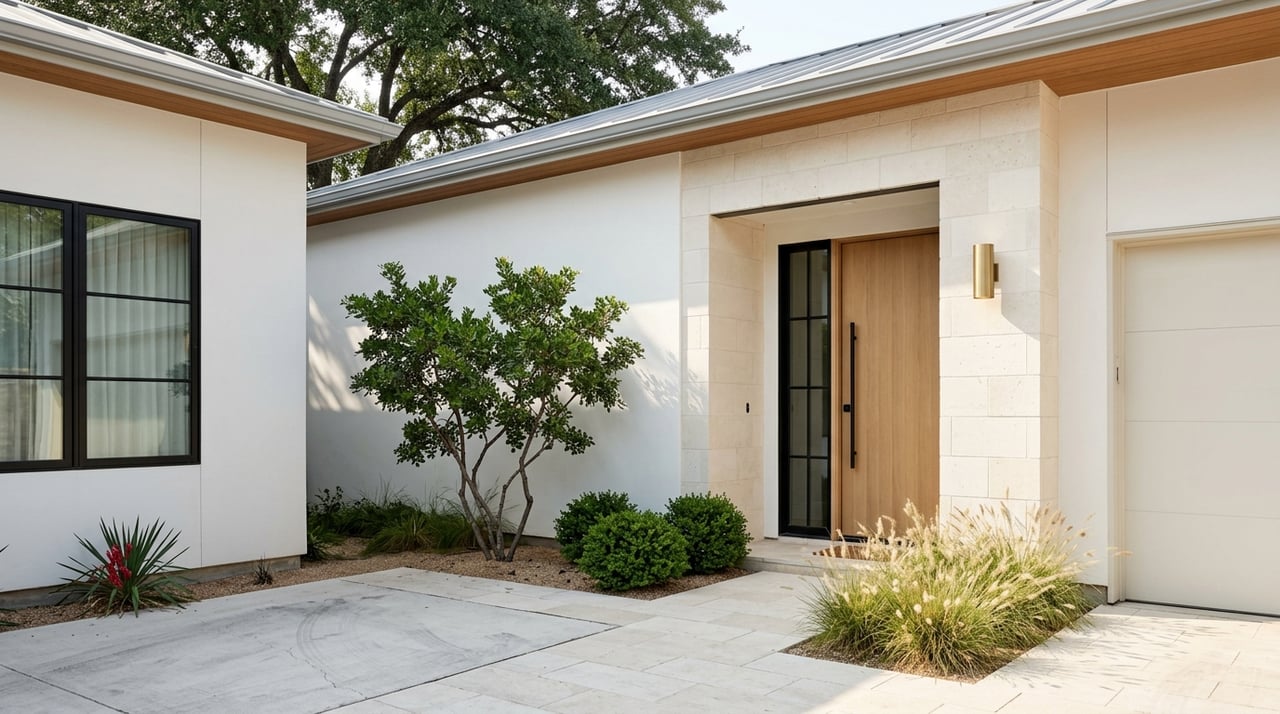
New construction in Round Rock often appeals to buyers who want a more current layout, newer systems, and a neighborhood plan that feels intentionally designed from the start. You may also like the idea of being among the first owners in a community that is still taking shape.
Round Rock regulates new-home development through its development code, including subdivision platting, zoning, site plan review, landscaping and tree protection, signs, and technical building codes. That matters because a new home is not shaped only by a builder’s choices. It is also shaped by city standards and review processes.
New-build process matters
If you are considering a newly built home, timing is worth watching closely. The city says builders should not submit a building permit packet until the Site Development Permit reaches substantial completion, and permit review takes about 30 business days.
The city also notes that a permit becomes invalid if work does not start within six months. For move-in timing, the final inspection serves as permission to occupy because Round Rock does not issue a residential certificate of occupancy. If the home includes irrigation, that permit must pass inspection before the final inspection can be scheduled.
Smaller lots can change expectations
Round Rock’s 2025 landscaping ordinance changes apply only to new developments and were written around smaller modern lots. The city said earlier tree requirements could overcrowd those lots and make it harder for trees to reach maturity.
For you, that can mean a different outdoor experience than what you may find in an older neighborhood. A new lot may feel cleaner and more manageable, but it may also take time for landscaping and tree canopy to mature.
Watering and early maintenance
New landscaping can come with a short learning curve. The city offers a free irrigation checkup, and new landscaping that needs watering more than twice a week requires a watering variance under year-round water-use standards.
That is a helpful reminder that a new home may look move-in ready inside while the outside still needs time, attention, and a maintenance plan. If you like a polished yard from day one, ask detailed questions about irrigation, landscaping completion, and ongoing care.
Common new-build examples
Current development activity shown on the city’s site-permit tracker includes Sendero Springs, Arden Park, and Mosaic on Sunrise. The city’s neighborhood GIS map also includes communities that often come up in Round Rock new-build conversations, such as Teravista, Sendero Springs, Mayfield Ranch, and Round Rock Ranch.
These examples can help you get familiar with the range of neighborhood formats in the area. Some buyers are drawn to the planned feel, while others want to compare that against the character of older sections of town.
Why Buyers Choose Established Neighborhoods
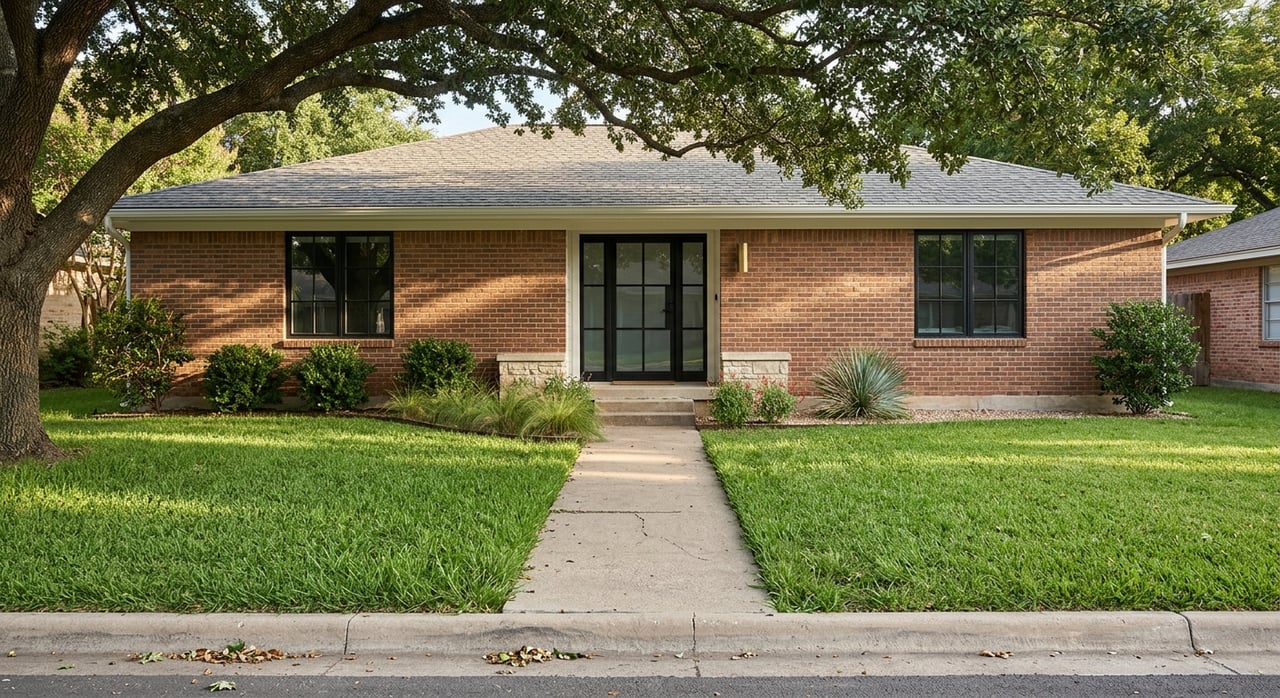
Established neighborhoods in Round Rock often appeal to buyers who want a more settled setting, older trees, and a neighborhood identity that has had time to develop. You may also find that these areas offer a different street pattern, lot feel, or historical context than newer communities.
Round Rock’s long-range planning work reflects that these neighborhoods have been part of the city’s evolution for decades. The city says neighborhood plans are intended to improve existing residential neighborhoods, while area plans guide parts of the city that are changing.
Older neighborhoods have planning history
Current neighborhood-plan examples include Greater Round Rock West, the Downtown Neighborhood Plan, Chisholm Valley, Greater Lake Creek, and Palm Valley. That long-running planning context can be meaningful if you value a neighborhood with a more established civic identity.
It also shows that older areas are not static. They may continue to evolve through planning, public investment, and neighborhood-level organization.
Downtown and Old Town offer deeper roots
Round Rock’s historic preservation page notes that the city began in Old Town in the 1840s, and many businesses and residents moved to the current downtown area in 1876 when the railroad arrived. That gives the downtown core and nearby older neighborhoods a deeper historical fabric than newer subdivisions.
If character matters to you, this part of Round Rock may feel especially appealing. The city’s neighborhood GIS map also shows established names such as Brushy Creek, Behrens Ranch, Forest Creek, and Round Rock Ranch.
Older areas require extra due diligence
Not every established neighborhood has the same risks or maintenance patterns. One important example is drainage and floodplain review.
The city’s Lake Creek Flood Mitigation page says Greater Round Rock West is the largest damage center in the watershed study and that more than 80 homes and roadways there sit within the 100-year floodplain. That does not describe every established neighborhood, but it is a strong reminder to check flood maps and drainage history carefully when you are comparing homes in older parts of town.
Amenities Can Shape Daily Life
Amenities are one of the biggest practical differences between new construction and established neighborhoods. Planned communities often attract buyers because shared features are built into the neighborhood experience from the beginning.
Round Rock’s parks master plan inventory lists amenity centers, pools, trails, and recreation facilities in communities such as Teravista, Behrens Ranch, Mayfield Ranch, Sendero Springs, Round Rock Ranch, Vista Oaks, Forest Creek, and Brushy Creek Community Center. For many buyers, that amenity package adds convenience and supports resale appeal over time.
Planned communities often feel turnkey
If you want trails, pools, recreation areas, or organized common spaces, planned communities may check a lot of boxes. Even after the brand-new feel fades, those built-in amenities can continue to matter to future buyers.
This does not automatically make a newer neighborhood better. It simply means you should weigh how much you will actually use those features compared with other priorities like lot character, location, or neighborhood maturity.
Established areas may build identity differently
Round Rock distinguishes homeowners’ associations from neighborhood associations. The city says HOAs are mandatory, legally binding entities that often own and maintain common property, while neighborhood associations are voluntary groups without enforcement power.
The city also offers registered neighborhood associations tools such as matching grants and block-party resources. In older neighborhoods, that kind of support can help strengthen resident identity even when the area is not built around a master-planned amenity model.
Utility and Location Details Matter
When you compare neighborhoods in Round Rock, do not stop at the house itself. Utility structure and jurisdiction can affect what you should ask before you get too far into the process.
The city says it provides water in and around Round Rock, including several municipal utility districts outside city limits, and year-round watering standards apply to customers in those MUD areas too. It is worth confirming whether a property is in city limits, in the ETJ, or in a MUD before making assumptions about utility expectations.
Ask these questions early
A smart comparison often comes down to asking the right questions upfront:
- Is the home in city limits, the ETJ, or a MUD?
- What neighborhood or association structure applies here?
- Are there planned amenities, voluntary neighborhood efforts, or both?
- For older areas, what is the drainage or floodplain history?
- For new homes, what is the status of permits, inspections, irrigation, and landscaping completion?
These details can affect how confident you feel about both the purchase and the years that follow.
Which Option Fits You Best?
If you value a more process-driven purchase, newer systems, and a neighborhood that may include planned amenities from the start, new construction may be the better fit. You should also be comfortable with landscaping that may need time to mature and with timelines that depend on permits, inspections, and completion schedules.
If you value older character, a more settled look, and a neighborhood identity shaped over many years, an established neighborhood may be the stronger match. You will still want to do careful due diligence, especially around drainage, floodplain questions, and the specific condition of the property.
In Round Rock, the right choice usually comes down to how you want to live, not just what is newest. When you compare homes with local planning, amenities, and long-term upkeep in mind, you are more likely to buy with confidence.
If you want help sorting through Round Rock neighborhoods, comparing new construction with resale options, or building a smart plan for your move in Williamson County, Denise Arndt is ready to help.
FAQs
How is new construction regulated in Round Rock?
- Round Rock regulates new-home development through its development code, including subdivision platting, zoning, site plan review, landscaping and tree protection, signs, and technical building codes.
What should buyers know about new-home move-in timing in Round Rock?
- The city says permit review takes about 30 business days, builders should wait until the Site Development Permit reaches substantial completion before submitting a building permit packet, and final inspection serves as permission to occupy.
What makes established neighborhoods in Round Rock appealing?
- Many buyers like the settled feel, older trees, long-standing neighborhood identity, and deeper planning or historical context found in established areas.
Which established Round Rock areas have long planning history?
- The city lists neighborhood-plan examples including Greater Round Rock West, Downtown, Chisholm Valley, Greater Lake Creek, and Palm Valley.
Why should buyers check floodplain and drainage in older Round Rock neighborhoods?
- The city says Greater Round Rock West is the largest damage center in the Lake Creek watershed study, with more than 80 homes and roadways within the 100-year floodplain, which shows why flood and drainage review matters.
What is the difference between an HOA and a neighborhood association in Round Rock?
- The city says HOAs are mandatory, legally binding entities that often maintain common property, while neighborhood associations are voluntary groups without enforcement power.
Why do amenities matter for Round Rock resale value?
- Amenity centers, pools, trails, and recreation facilities in planned communities can continue to attract buyers even after a home is no longer considered brand new.
What utility question should buyers ask when comparing Round Rock neighborhoods?
- You should confirm whether a property is in city limits, the ETJ, or a MUD, since that can affect utility expectations and how you compare homes.