Looking for a suburb that makes everyday life feel easy? Cedar Park stands out because it blends practical convenience with plenty of ways to get outside, stay active, and enjoy local spots close to home. If you are thinking about buying in Williamson County or just want to understand what daily life really feels like here, this guide will walk you through Cedar Park’s parks, amenities, entertainment, and housing patterns so you can picture your routine more clearly. Let’s dive in.
Why Cedar Park Works for Daily Life
Cedar Park sits on Austin’s northern edge, about 17 miles from downtown, which makes it a practical home base for many people who want access to both local amenities and the larger Austin area. According to Census QuickFacts, the mean travel time to work is 25.5 minutes, which helps explain why the city often appeals to commuters.
Getting around is also supported by major road access and transit connections. The city notes direct access to major highways and Metrorail, and LiNK Cedar Park connects riders to Lakeline Station. For many buyers, that mix can make day-to-day routines feel more flexible.
Cedar Park is also located in Leander Independent School District. If that matters to your home search, it is one more piece of practical context as you compare neighborhoods and housing options.
Parks and Trails in Cedar Park
One of Cedar Park’s biggest strengths is its outdoor network. The city reports 46 city-maintained parks, about 1,000 acres of city-owned parkland, and 34 miles of trails. That kind of access can shape your routine in a real way, whether you like morning walks, weekend playground time, or evening bike rides.
For many residents, parks are not just occasional destinations. They become part of daily life, from quick after-work walks to family meetups and exercise close to home. Cedar Park offers a range of spaces that support both active recreation and slower-paced outdoor time.
Brushy Creek Lake Park
Brushy Creek Lake Park is one of the clearest examples of Cedar Park’s outdoor lifestyle. This 90-acre park includes hike-and-bike trails, a nature trail, a 38-acre lake, a kayak launch, a splash pad, playgrounds, picnic areas, and fishing.
If you want a place where several interests can overlap in one stop, this park checks a lot of boxes. You can walk the trails, spend time by the water, or bring the family for a more relaxed afternoon outdoors.
Lakeline Park
Lakeline Park adds another major outdoor destination. Phase 1 brought more than 100 acres of developed parkland, including 3 miles of trails, a loop around the lake, a performing arts pavilion, a playground, a great lawn, a kayak launch, a fishing pier, practice fields, wildflower meadows, and parking.
The city expects the park to exceed 200 acres when completed, which shows how much Cedar Park continues to invest in large-scale recreation spaces. It is also a good example of how parks here support both everyday use and community events.
Bell, Milburn, and Veterans Memorial Parks
Bell Park, next to the Cedar Park Public Library, offers a 15-acre neighborhood park with a 0.75-mile trail, public art, a rentable pavilion, a picnic grove, fishing, wildflowers, and restrooms. It is an easy fit for a simple afternoon outing or a quick stop as part of your weekly routine.
Milburn Park brings a broader activity mix with a 4,500-square-foot aquatics facility, a community garden, a BMX pump track, tennis courts, volleyball, sports fields, and a 1-mile trail. Veterans Memorial Park adds eight dedicated pickleball courts and a new basketball court, which expands the city’s options for active recreation.
Dog-Friendly and Connected Trails
If you have a dog, Cedar Bark Park is worth knowing. This fenced 5-acre off-leash park includes a dog pond, dog showers, drinking fountains, benches, and waste stations, making it a practical amenity for pet owners.
The city is also continuing to improve trail connectivity. Its Brushy Creek North Fork Trail project is planned as an approximately 3-mile shared-use trail that will connect into the regional Brushy Creek trail system, which points to even more outdoor access over time.
Indoor Recreation and Everyday Amenities
Outdoor space matters, but so do indoor options that make routines easier year-round. Cedar Park offers several amenities that support fitness, hobbies, and day-to-day convenience.
The Cedar Park Recreation Center is a 47,500-square-foot facility with gym courts, cardio and weight areas, a walking and jogging track, fitness classes, meeting and game rooms, arts-and-crafts space, and child care. For many households, that kind of all-in-one facility adds flexibility when schedules get busy or weather changes your plans.
The Cedar Park Public Library also adds more than books to daily life. Its makerspace offers classes, drop-in crafts, and tool-based creative activities for kids and adults, giving residents another local option for hands-on learning and indoor fun.
For a simple arts-focused outing, the Cedar Park Sculpture Garden next to the Recreation Center features rotating public art installations. It is one more example of how Cedar Park mixes practical amenities with spaces designed for enjoyment.
Shopping, Dining, and Entertainment
When you picture everyday life in Cedar Park, shopping and dining are part of the equation too. Much of the city’s retail and commercial activity is concentrated along Whitestone Boulevard, Bell Boulevard, US 183A, Lakeline Boulevard, Parmer Lane, and Cypress Creek Road.
The city’s transit study identifies 1890 Ranch and The Parke as major business activity centers. The city also promotes local spending through Shop Cedar Park and notes that local sales tax revenue helps fund community projects, which gives everyday shopping another layer of local impact.
It is worth noting that a Cedar Park mailing address does not always mean a property is inside city limits. The city specifically points this out for areas such as Lakeline Mall, so if location boundaries matter to you, it is smart to verify them carefully.
Local Flavor Close to Home
Cedar Park’s tourism listings highlight a mix of coffee houses, breweries, a wine bar, and entertainment dining. Examples include Red Horn Coffee House & Brewing Co., Whitestone Brewery, The Grove Wine Bar & Kitchen, and Spare Birdie.
That mix gives you more than just errands and chain retail. It creates places where you can meet friends, catch live music, enjoy a casual night out, or keep a weekend close to home without feeling limited.
H-E-B Center at Cedar Park
The H-E-B Center at Cedar Park is another major local anchor. The venue hosts sporting events, concerts, and family shows, and it is home to the Texas Stars and Austin Spurs.
For residents, this adds a clear entertainment benefit to living nearby. Instead of planning every outing around Austin, you have a large event venue right in the area.
Community Events and Local Energy
Cedar Park also offers a steady stream of events that add personality to daily life. The city calendar includes Live @ Lakeline, a concert series at Lakeline Park, along with Fall Roundup, a festival with live music, armadillo races, a mechanical bull, a petting zoo, and western-themed crafts.
The city also hosts Mini-Con, an annual celebration of comics, cosplay, games, and vendors. Together, these events show that Cedar Park is not only convenient but also active and community-oriented in its public programming.
For buyers relocating from outside the area, these events can be especially helpful. They give you easy ways to get familiar with the city and settle into a new routine.
What Housing Patterns Feel Like
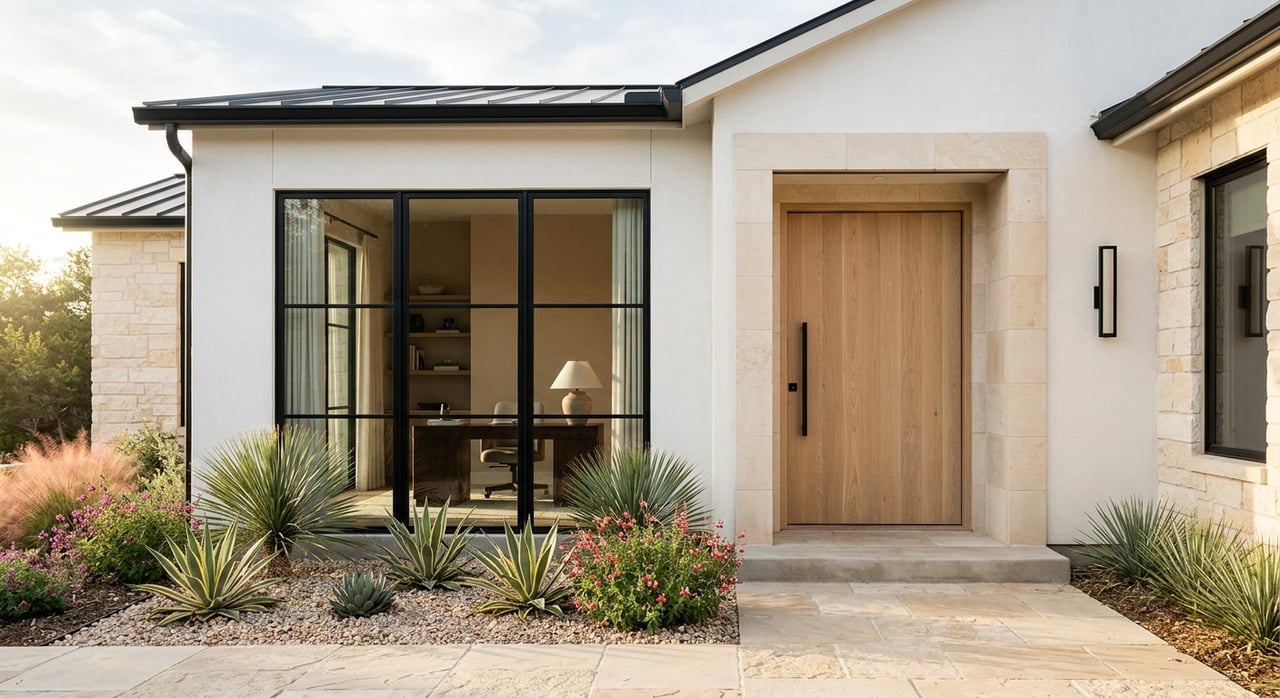
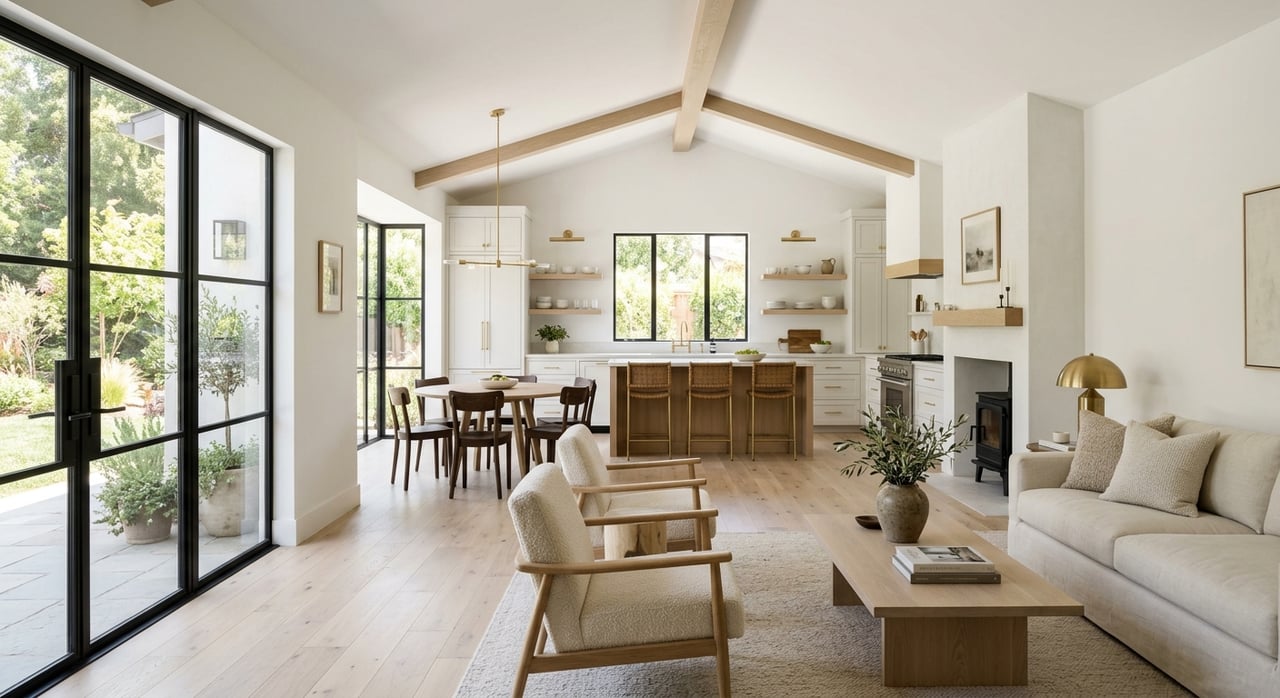
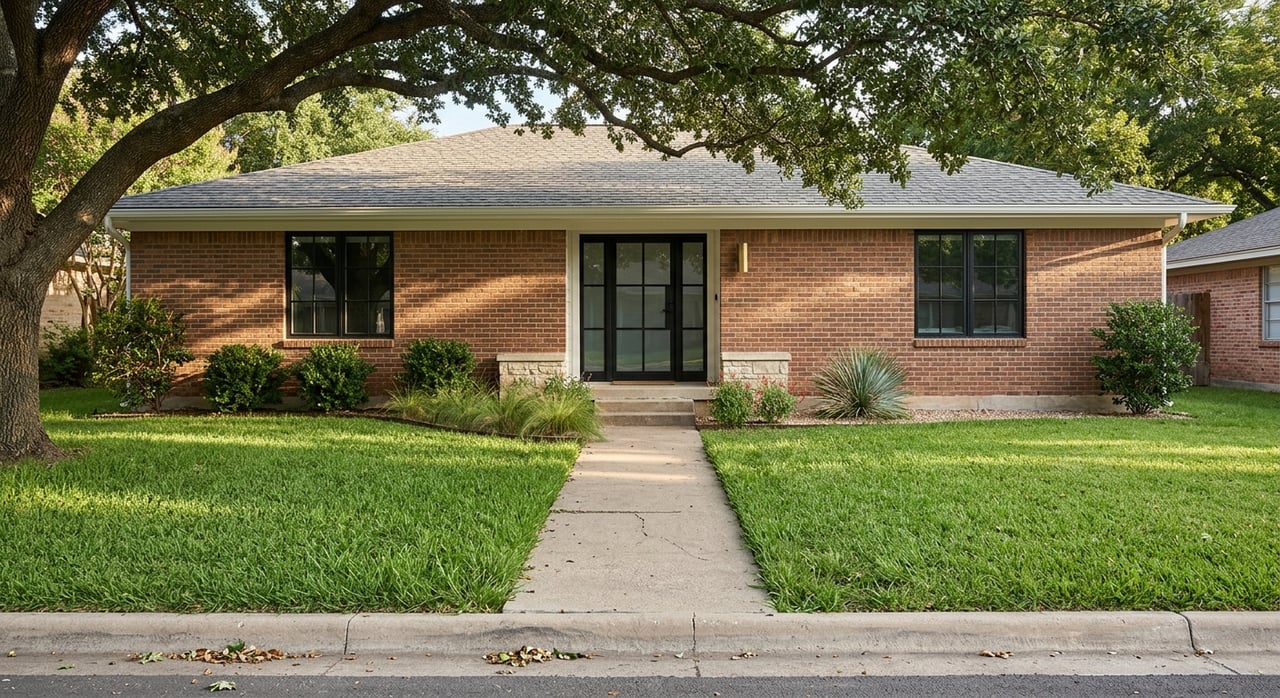
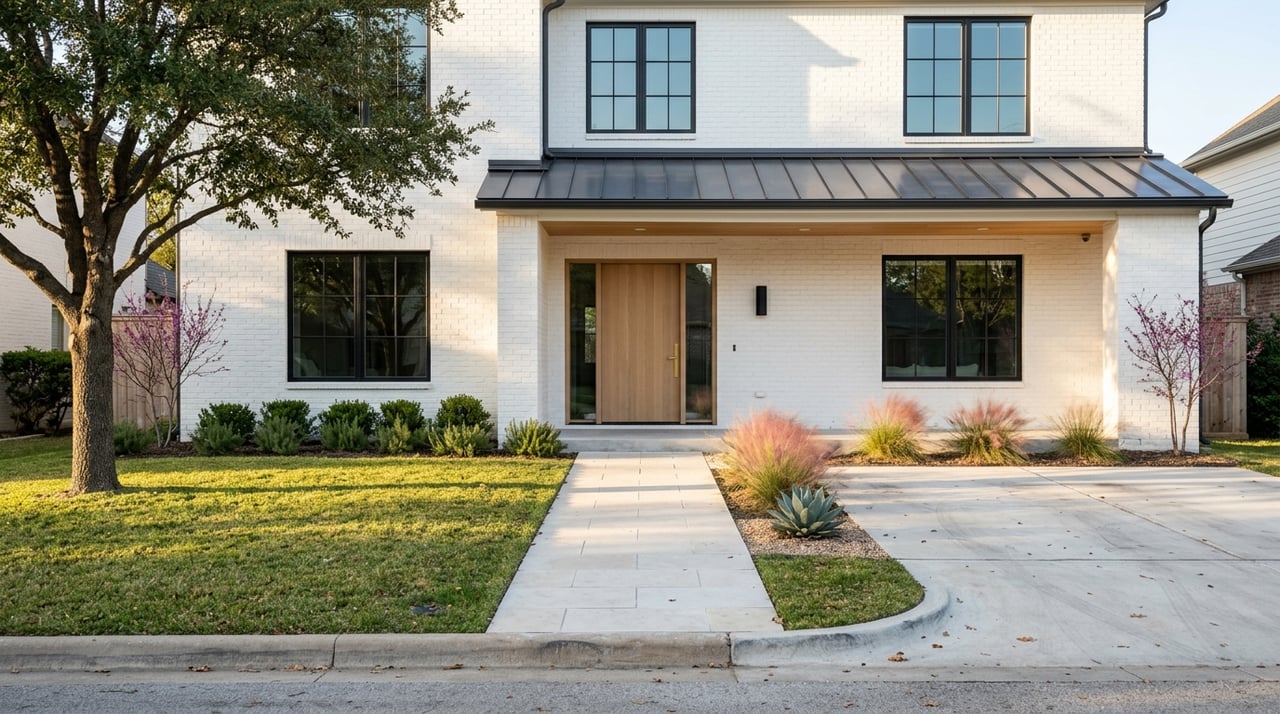
Cedar Park’s transit study describes low-density residential as the dominant land-use pattern. In plain terms, that means much of the city feels suburban, with single-family neighborhoods playing a major role in the housing mix.
The same study notes pockets of multi-family, condo, and townhome development along Lakeline Boulevard, Parmer Lane, and Cypress Creek Road. If you are looking for lower-maintenance living, those areas may align more closely with what you want.
Most subdivisions use curvilinear or cul-de-sac street patterns, while newer areas tend to have sidewalks on both sides and shared-use paths along arterials. That helps explain why some parts of Cedar Park feel especially residential, while others offer quicker access to shopping, transit, and attached housing options.
Choosing the Right Fit
If you want a traditional suburban setup, Cedar Park offers many neighborhoods that connect naturally to parks and trails. If you prefer a home with less upkeep and closer access to retail or transit corridors, attached options are more likely near Lakeline and 183A.
That range can be helpful whether you are a first-time buyer, moving up, downsizing, or relocating for work. The key is matching your daily habits to the part of Cedar Park that supports them best.
Why Cedar Park Appeals to Many Buyers
Cedar Park works well for buyers who want a balance of routine and recreation. You have major parks, trail access, shopping corridors, entertainment venues, and indoor amenities all working together in a city that still feels strongly residential.
For many people, that balance is the real draw. Cedar Park gives you room to build a day-to-day life that feels practical, active, and connected to local amenities without giving up access to the greater Austin area.
If you are weighing where to live in Williamson County, it helps to look beyond square footage and price. The way a city supports your normal week often matters just as much, and Cedar Park offers a strong example of that. If you want help comparing neighborhoods, commute patterns, and home options in Cedar Park or nearby communities, reach out to Denise Arndt for a personalized consultation.
FAQs
What is everyday life like in Cedar Park, TX?
- Everyday life in Cedar Park combines suburban neighborhood living with convenient access to parks, trails, shopping areas, entertainment venues, and community events.
How many parks and trails does Cedar Park have?
- Cedar Park reports 46 city-maintained parks, about 1,000 acres of city-owned parkland, and 34 miles of trails.
What are the most popular parks in Cedar Park?
- Notable parks include Brushy Creek Lake Park, Lakeline Park, Bell Park, Milburn Park, Veterans Memorial Park, and Cedar Bark Park for off-leash dog play.
Are there indoor recreation options in Cedar Park?
- Yes. The Cedar Park Recreation Center offers fitness areas, gym courts, classes, meeting rooms, arts-and-crafts space, and child care, and the Cedar Park Public Library makerspace offers creative classes and activities.
Where are the main shopping and dining areas in Cedar Park?
- Retail and commercial activity is concentrated along Whitestone Boulevard, Bell Boulevard, US 183A, Lakeline Boulevard, Parmer Lane, and Cypress Creek Road, including major centers such as 1890 Ranch and The Parke.
What kinds of homes are common in Cedar Park?
- Cedar Park is mostly low-density residential with many single-family neighborhoods, along with condo, townhome, and multi-family pockets more commonly found near Lakeline Boulevard, Parmer Lane, and Cypress Creek Road.
Is Cedar Park a good option for Austin commuters?
- Cedar Park can be a practical choice for commuters because it sits about 17 miles from downtown Austin, has access to major highways and Metrorail connections, and Census QuickFacts reports a mean travel time to work of 25.5 minutes.