Craving more space, strong community ties, and easy access to Austin’s amenities? If you are a growing family looking for suburban comfort with real Texas character, Georgetown is worth a close look. You want practical answers about schools, parks, youth sports, commutes, home types, and the costs that shape everyday life. This guide walks you through the essentials so you can decide with confidence. Let’s dive in.
Why families choose Georgetown
Georgetown sits in Williamson County on the north side of the Austin metro, and it has been growing steadily as buyers look for more space and newer neighborhoods. You will find a friendly mix of historic charm in the town square, a small-college vibe from Southwestern University, and many master-planned communities designed with families in mind. The city also benefits from a robust local job base in education, healthcare, retail, and city services, with many residents commuting to Round Rock, Pflugerville, or Austin for work. With new subdivisions and amenities coming online, you can expect ongoing development and periodic planning updates.
Schools and childcare
Georgetown Independent School District (GISD) serves most of the city with elementary, middle, and high schools. Because enrollment follows housing growth, the district adds campuses and may adjust boundaries over time. When you are shopping for a home, confirm the school assignment for a specific address and ask about any planned rezonings or construction bonds. For program details, look into campus offerings like advanced coursework, STEM pathways, fine arts, and athletics.
There are also private, parochial, and charter options in and around Georgetown. Academic comparisons usually rely on Texas Education Agency A–F ratings and campus-level accountability reports. Use those official resources to review performance and programs in a neutral, factual way. For early education, you can choose from licensed childcare centers, preschools, and home-based providers; availability can be tight in fast-growing areas, so start your search early and ask about waitlists.
Families who need special services will find support through GISD and private providers. For pediatric care and general medicine, clinics are available in town. A local hospital, St. David’s Georgetown Hospital, serves the community, and families often use specialty providers in nearby Round Rock or Austin.
Parks and outdoor fun
Georgetown’s outdoor assets are a major draw for families. The San Gabriel River runs through town, connecting parks and greenways you can enjoy for walks and bike rides. Blue Hole Park offers a scenic swimming and picnic spot close to downtown, and Lake Georgetown provides boating, fishing, camping, and miles of trails. Weekdays often mean playground time in neighborhood parks, while weekends are perfect for exploring the lake or river corridor.
City parks and facilities continue to expand with growth. Georgetown Parks & Recreation maintains sports complexes, trails, and neighborhood parks, and the historic town square hosts seasonal markets and family-friendly events. Keep an eye on registration windows for swim lessons or camp programs, as popular sessions can fill quickly.
Youth sports and activities
Recreational leagues through Georgetown Parks & Recreation cover soccer, baseball and softball, basketball, and flag football. These programs create a welcoming entry point for younger kids and families new to town. If your child is ready for a higher level of competition, you will find local club teams and studios for soccer, baseball and softball, gymnastics, dance, and martial arts. School-based activities add even more options at the middle and high school level, including UIL sports, band, theater, and academic teams.
Beyond sports, you can plug into Scouts, music schools, community theater, and library programs. Regional attractions like Inner Space Cavern offer easy weekend adventures. Downtown’s event calendar brings the community together with festivals and holiday celebrations.
Homes and neighborhoods
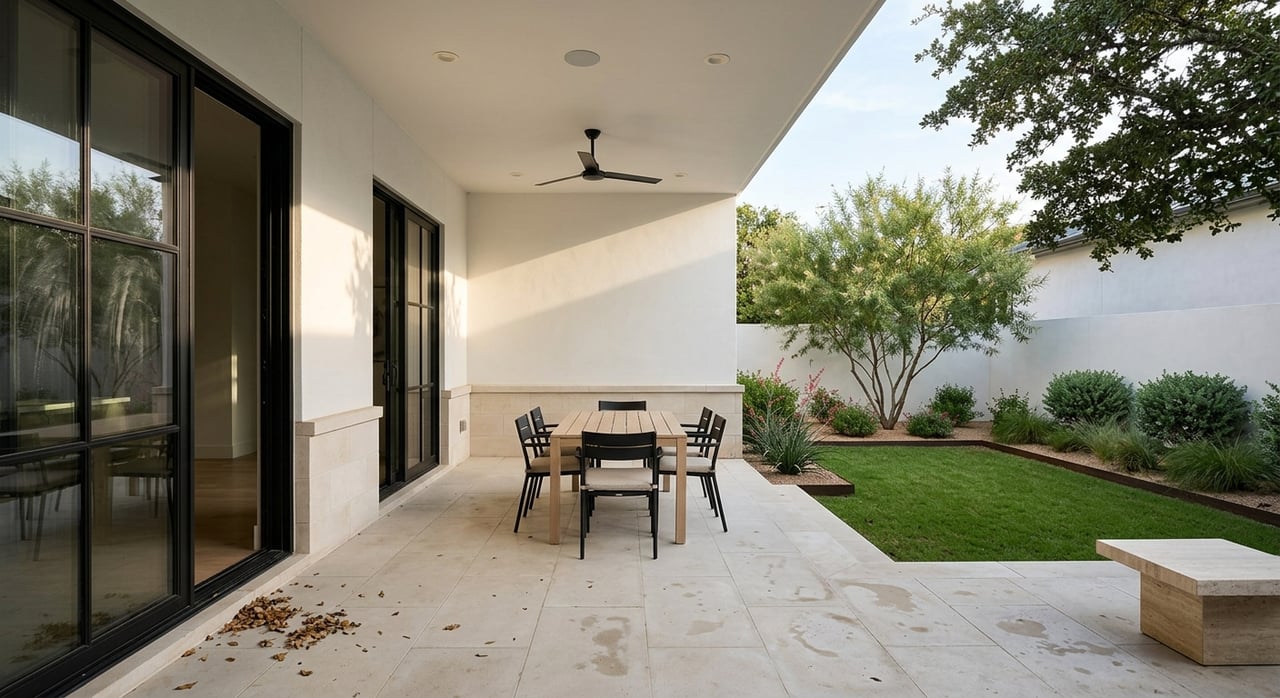
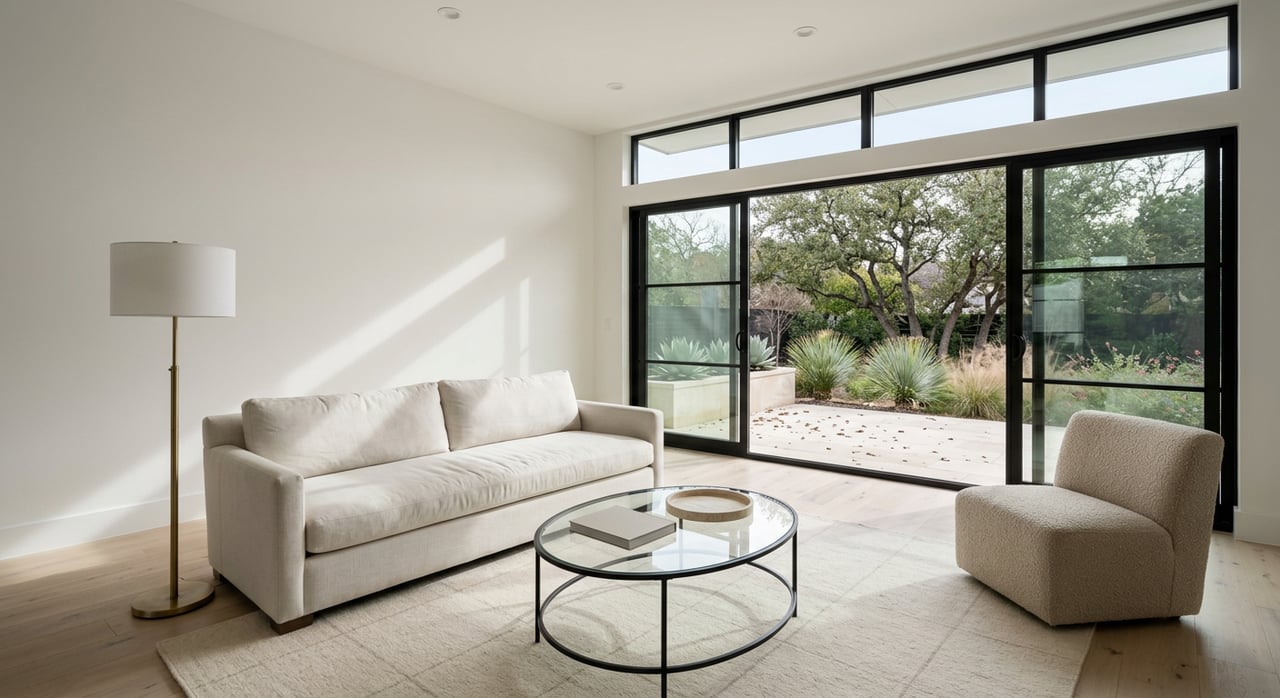
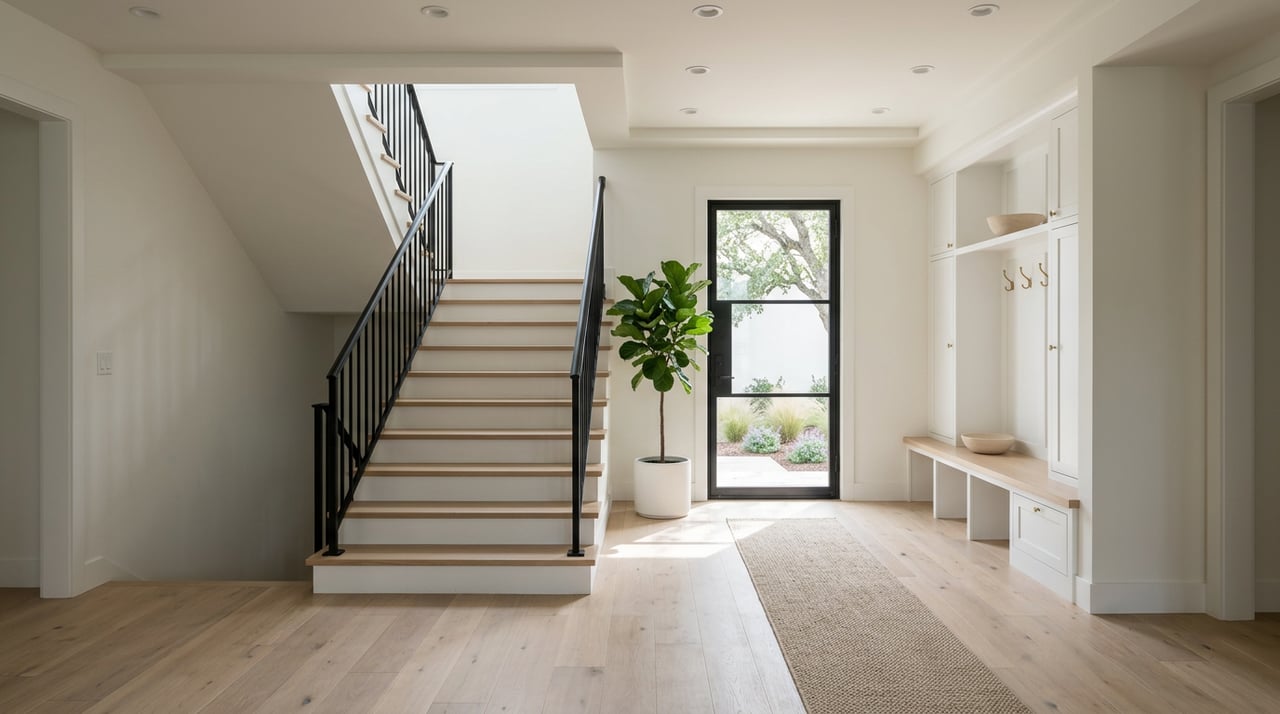
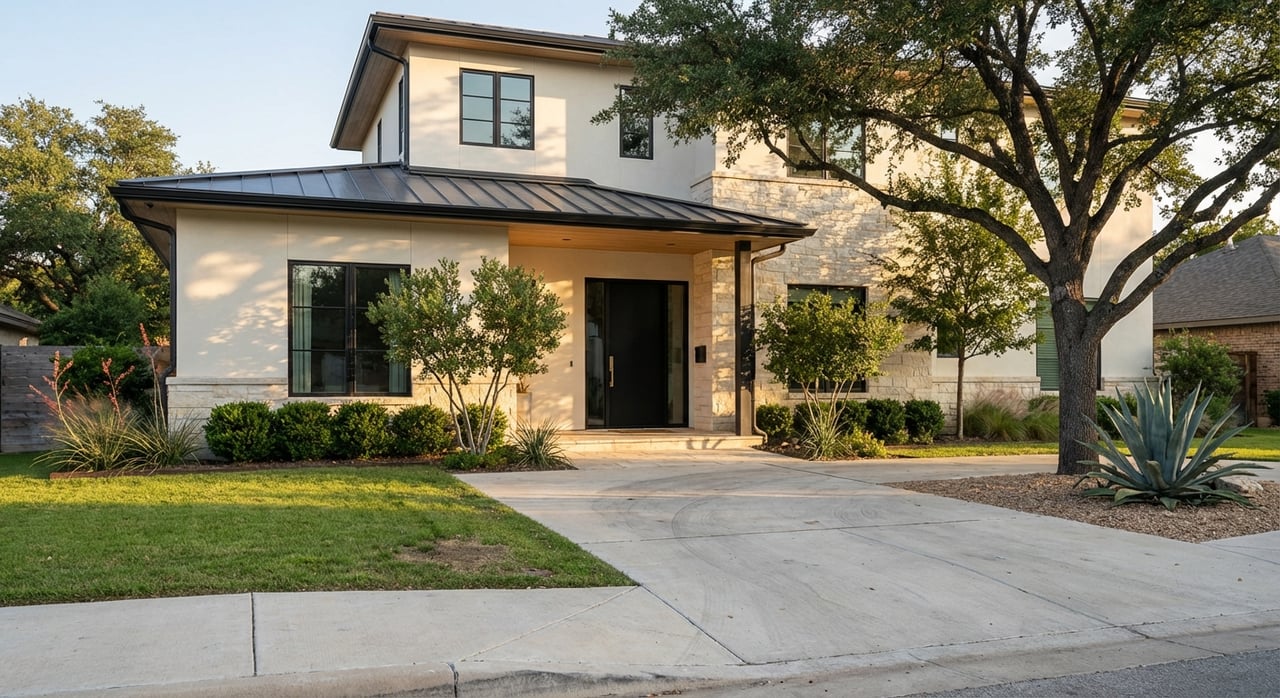
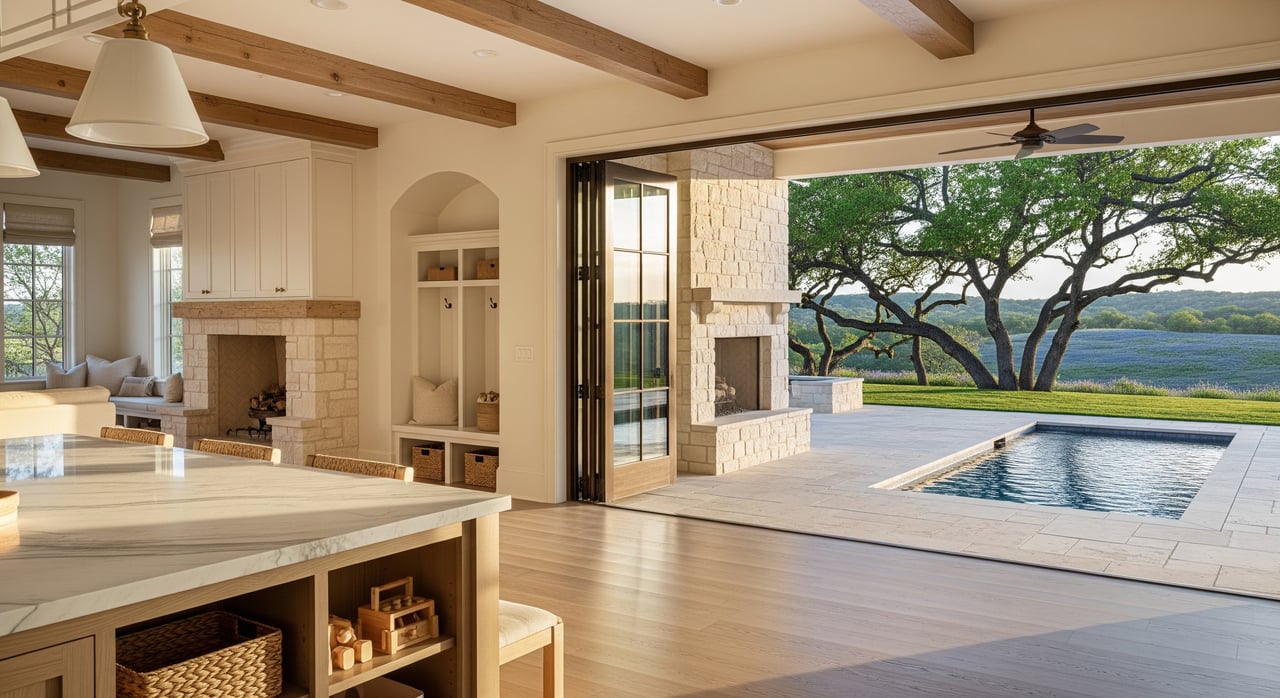
You will see a wide range of home styles in Georgetown. Near the historic downtown, older homes on smaller lots offer charm and walkable access to shops and restaurants. Master-planned communities provide newer single-family homes with 3–5 bedrooms, open floor plans, and community amenities like pools, parks, and trails. You will also find townhomes in select areas and age-restricted neighborhoods nearby.
For move-up families, the most common choice is between historic or infill homes closer to the square and newer homes in suburban communities. Historic areas trade larger yards for character and location. Newer neighborhoods often feature larger lots, HOA amenities, and consistent streetscapes. Keep in mind that many new developments include HOA dues and, in some cases, Municipal Utility District assessments that affect your total tax rate.
What to look for in a family home
- Bedroom and living space that fits your household and lifestyle.
- Proximity to schools and daily errands to simplify drop-offs and activities.
- Community amenities your family will actually use, like pools, trails, and playgrounds.
- Storage for sports gear, hobbies, and seasonal items.
- Yard size and maintenance needs that match your schedule.
Market dynamics and costs
Georgetown’s pricing generally tracks the broader Austin metro cycle, with periods of faster appreciation and cooling, and a steady stream of new construction that shapes supply. When comparing homes, factor in the recurring costs that affect your monthly budget. Texas does not have a state income tax, so local property taxes are a key expense. Your final tax rate can include the county, city, school district, and a MUD for certain developments, plus any HOA dues.
Ask for the property’s tax history and current assessments during your home search, and review HOA documents for rules and fees that matter to your family. Utility costs and insurance are part of the equation as well. A clear picture of these items will help you set a comfortable, realistic range.
Commuting and travel
Georgetown’s location gives you several routes to regional job centers. I‑35 is the primary north–south corridor into Round Rock and Austin. State Highway 130 runs to the east and can be useful depending on your destination and time of day. Commute times vary widely based on traffic and origin, so it is smart to test your drive during typical peak hours.
Local transit is limited, and Georgetown does not have direct commuter rail service into Austin. Regional park-and-ride or express buses may be available in limited forms, and the Capital Metro rail line terminates in the northern suburbs near Leander. Most family commuting relies on personal vehicles, though some neighborhoods and the downtown core are walkable for errands and events. For air travel, Austin-Bergstrom International Airport is the major hub, and the drive typically ranges from about 30 to 60 minutes or more depending on traffic and route.
Daily life and community vibe
Families find it easy to get involved through school organizations, youth sports, civic groups, and local nonprofits. You will have access to major grocery stores and everyday services in town, plus local restaurants and boutiques around the square. Southwestern University adds cultural programming that families enjoy, and day trips into Austin expand your options for museums and attractions. Safety perceptions are often positive, but crime patterns vary by area, so review local crime maps and talk with the appropriate departments for current information.
How to start your search
Use this simple plan to get organized and stay ahead of fast-moving inventory:
- Clarify your must-haves. List bedrooms, commute range, yard size, and target budget with taxes and fees included.
- Confirm school boundaries. Check the specific address with GISD and ask about any planned boundary changes or new campuses.
- Compare home types. Decide if you prefer historic character and central access or newer construction with HOA amenities.
- Map your commute. Test your routes during peak hours and consider school run logistics for drop-offs and pickups.
- Explore parks and programs. Visit Blue Hole Park, Lake Georgetown, and neighborhood playgrounds. Note registration windows for leagues and lessons.
- Review costs and rules. Ask for recent tax assessments, MUD details, HOA dues, and community guidelines before you make an offer.
- Line up expert help. Work with a local agent who understands Georgetown’s neighborhoods, schools, taxes, and builder practices.
When you are ready for a deeper conversation about neighborhoods, school zones, and the trade-offs that matter to your family, connect with a trusted local guide. From pricing strategy to organized timelines, professional staging, and relocation coordination, the right partner makes the process smoother and more confident. If you want a steady hand with hometown expertise and access to national marketing resources, reach out to Denise Arndt for a personalized consultation.
FAQs
What is daily life like for families in Georgetown, TX?
- Expect suburban convenience with a historic downtown, growing parks and trails, youth sports, and easy access to weekend adventures at Blue Hole Park and Lake Georgetown.
How are public schools in Georgetown ISD structured?
- GISD operates elementary, middle, and high schools, with programs that vary by campus; confirm specific address assignments and review TEA accountability reports for current information.
What commute should I expect from Georgetown to Austin?
- Commute times depend on route and peak-hour traffic, with I‑35 as the main corridor and SH 130 as an alternative; test your typical drive during your target hours.
Which Georgetown neighborhoods work well for growing families?
- Many families choose between historic areas near the square for character and access or newer master-planned communities with larger homes, HOA amenities, and nearby schools.
How do property taxes, MUDs, and HOAs affect costs?
- Texas relies on property taxes rather than state income tax; your total may include county, city, school district, and MUD rates plus HOA dues, so review assessments and documents early.
What family activities are popular in and around Georgetown?
- Families enjoy the San Gabriel River trails, Blue Hole Park, Lake Georgetown, recreational leagues, library programs, community events on the square, and nearby attractions like Inner Space Cavern.